1. Inspiration
  2. Info Centre
  3. Plastic facade panels: polyester or pvc wall cladding versus stone wool fibres

Plastic facade panels

Polyester or pvc wall cladding versus stone wool fibres

What is plastic cladding?

Plastic facade panels: pros, cons and alternatives. Plastic facade panels are getting more and more popular. Think of (U)PVC cladding, for example. If you’re looking for low-maintenance facade cladding,  plastic facade cladding is an option that quickly comes to mind. Although it may be the obvious choice, it’s definitely not the only option! There are some important things to keep in mind when using plastic cladding, as there are quite some different types of plastic façade cladding in the market.
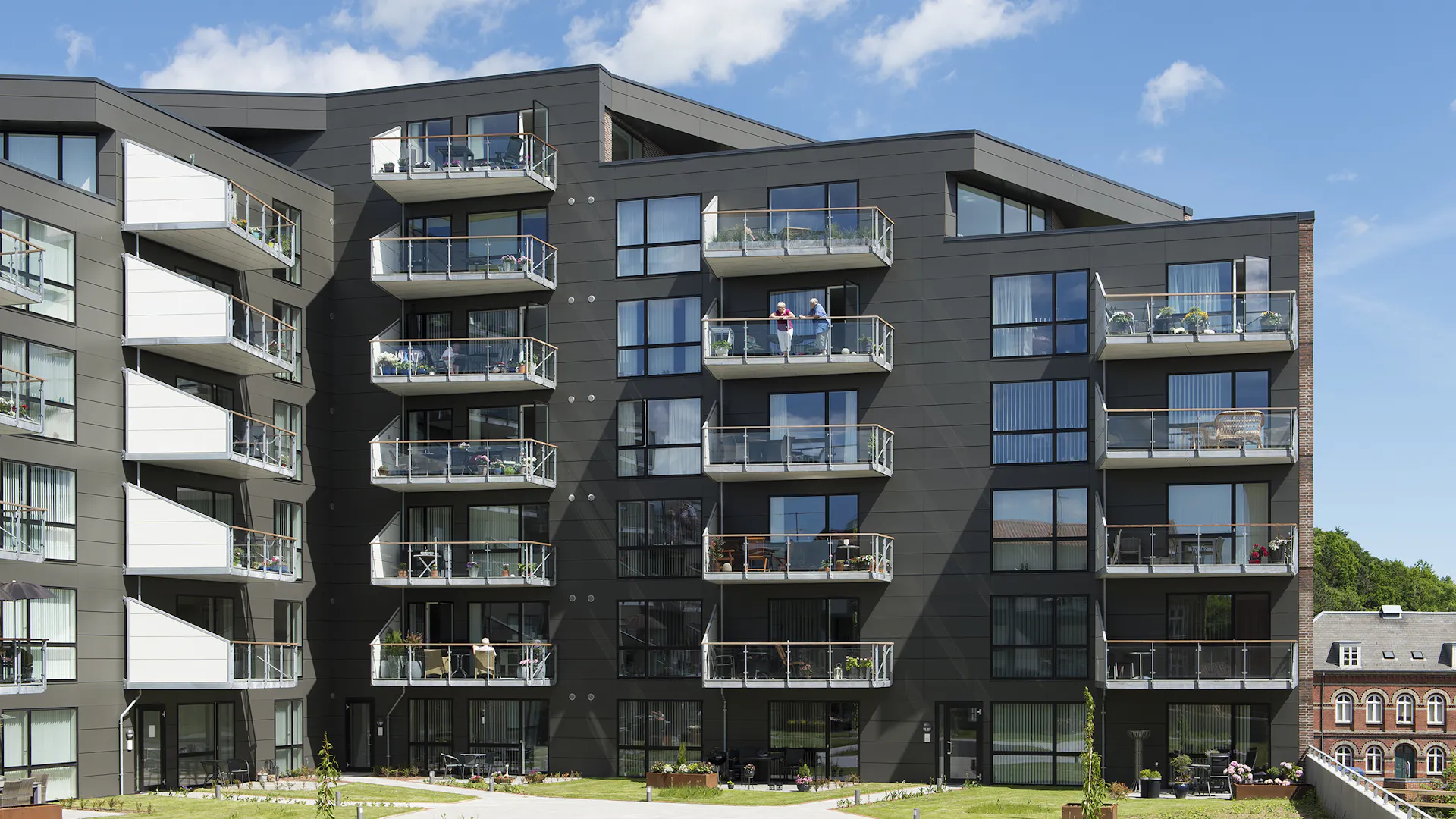
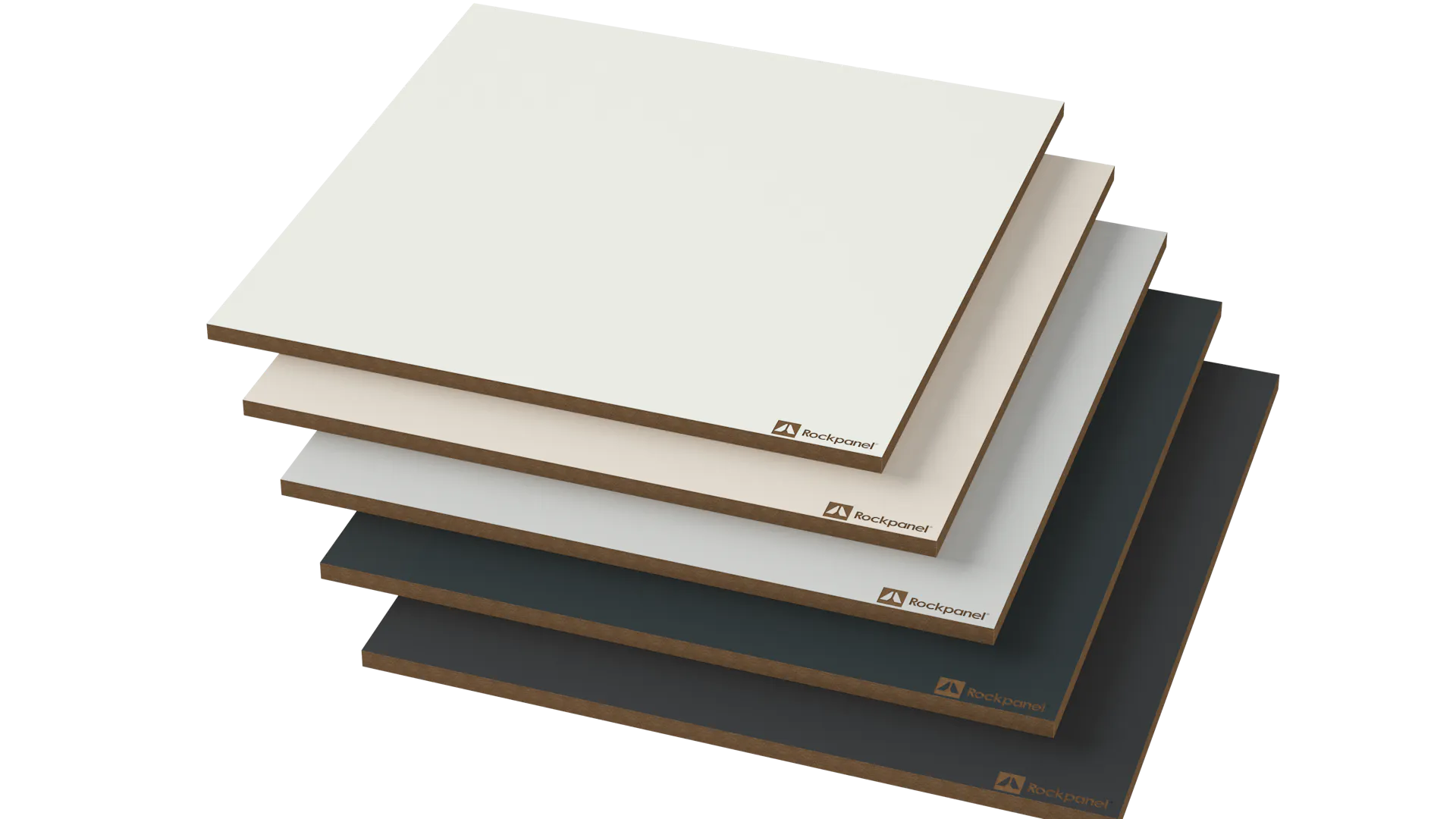
Plastic facade cladding is a pretty broad concept, as there are quite some differences in materials and applications. Hollow chamber panels, polyester, HPL, recycled plastics and pvc façade cladding are examples of the many types of plastic façade cladding.

Advantages of plastic exterior wall cladding

All these types of plastic facade panels have their own pros and cons. Some of the advantages they have in common, is that they’re generally light-weight and therefore easy to install. They’re also relatively easy to clean, making them low-maintenance. Another advantage when comparing plastic cladding to a wooden facade is that plastic exterior cladding is insensitive to moisture. That means they won’t expand or shrink.

20180828 RW-RP PHO 00189

Disadvantages of plastic cladding

As there are so many different types of plastic facade cladding, the situation might become a bit confusing or overwhelming. It is however very important to know what exact material is used for the production of your façade panels.. If you don’t, you might face serious safety risks. When it comes to the fire safety of your house or building, it’s essential to know what the facade cladding of your choice is made of. For example, plastic facade cladding might be able to melt and contribute to the spread of the fire, causing major damage. Using HPL cladding also creates high risks when it comes to fire safety.

Another disadvantage is that plastic isn’t a natural material and therefore not the most sustainable choice. In addition, the look of plastic facade cladding is an important factor. When choosing plastic cladding with a wood look, the result might not look as authentic as you were hoping for.

Durable and low-maintenance cladding

A good alternative for plastic facade cladding is the natural product Rockpanel. These facade panels are made of stone wool fibres, made from the volcanic stone basalt. Basalt is almost unlimited in nature and can withstand extremely high temperatures by nature. That makes these facade panels sustainable, low-maintenance ánd fire resilient. They’re light-weight, easy to install and dimensionally stable. Moreover, Rockpanel facade cladding is available in many colours and designs: from very authentic looking wood or stone looks to any possible RAL colour. And did you know that Rockpanel offers a 50 year warranty?

Discover Rockpanel yourself!

Request your free samples

Request your free sample

Not yet completely convinced? Or are you not sure which of our 200+ colours and designs would be the best fit for your design? Feel free to request a free product sample and experience Rockpanel yourself.

Request your free sample

20200122 RW-RP PHO 00993

We manufacture board material mostly used in ventilated constructions, for facade cladding, roof detailing, soffits and fascias.

  • Europe
  • Austria
  • Belgium
  • Denmark
  • France
  • Germany
  • Italy
  • Luxembourg (German)
  • Netherlands
  • Norway
  • Poland
  • Portugal
  • Russia
  • Spain
  • Sweden
  • Switzerland (German)
  • United Kingdom
Compare2/3
Compare